The object is only the beginning
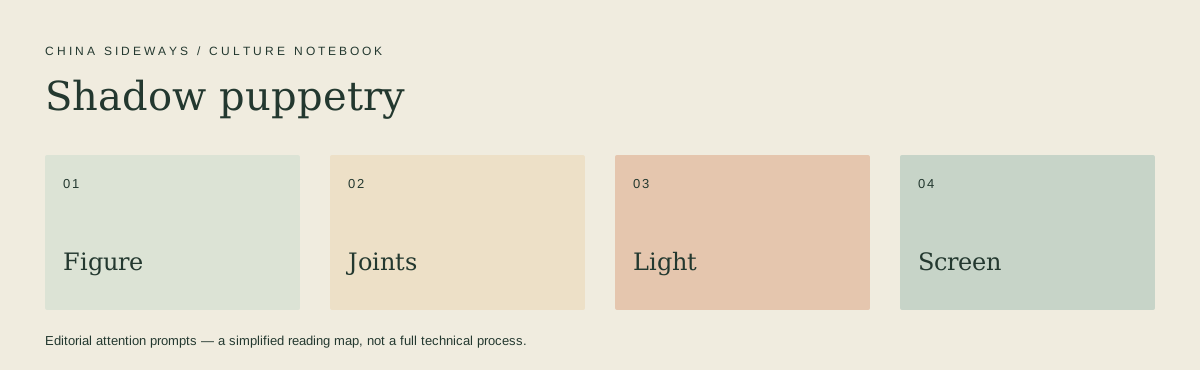
UNESCO describes shadow theatre using articulated figures, a lit screen, manipulation, voice and music. A figure displayed on a wall shows a different aspect of the practice from a performance. Look at the joints and the places where a rod can control movement, then watch how the figure behaves on screen. Do not assume a decorative souvenir was designed for regular stage use. Ask the maker or label whether it is a performance object, a display piece or a replica.
Watch one action travel through the screen
Choose a short movement and see how it is made legible: a turn, an entrance or an encounter between figures. A camera from behind the screen explains mechanism, while the audience view shows the result. Both are informative, but they are not interchangeable experiences. If a venue allows backstage access, follow its instructions and avoid interfering with equipment. You can ask about the division of work among performers without expecting a troupe to demonstrate everything during a break.
Listen as carefully as you look
The theatrical experience includes voice and music. Note whether a sound supports, interrupts or changes the movement you are watching. A silent social-media clip can miss that relationship entirely. The heritage film is a useful first reference, while a current public programme tells you what you can actually attend. Pair the subject with our paper-cutting article for a material comparison, but keep the distinction between a cut image and a performance tradition.
Before buying a shadow puppet, ask what it was made for ↗
Source desk
Consulted 12 October 2026. Source pages establish cultural context; the viewing exercises and booking questions are editorial advice. No specific class, concert or private workshop is represented as currently bookable. Historical figures in heritage descriptions are not current practitioner statistics.