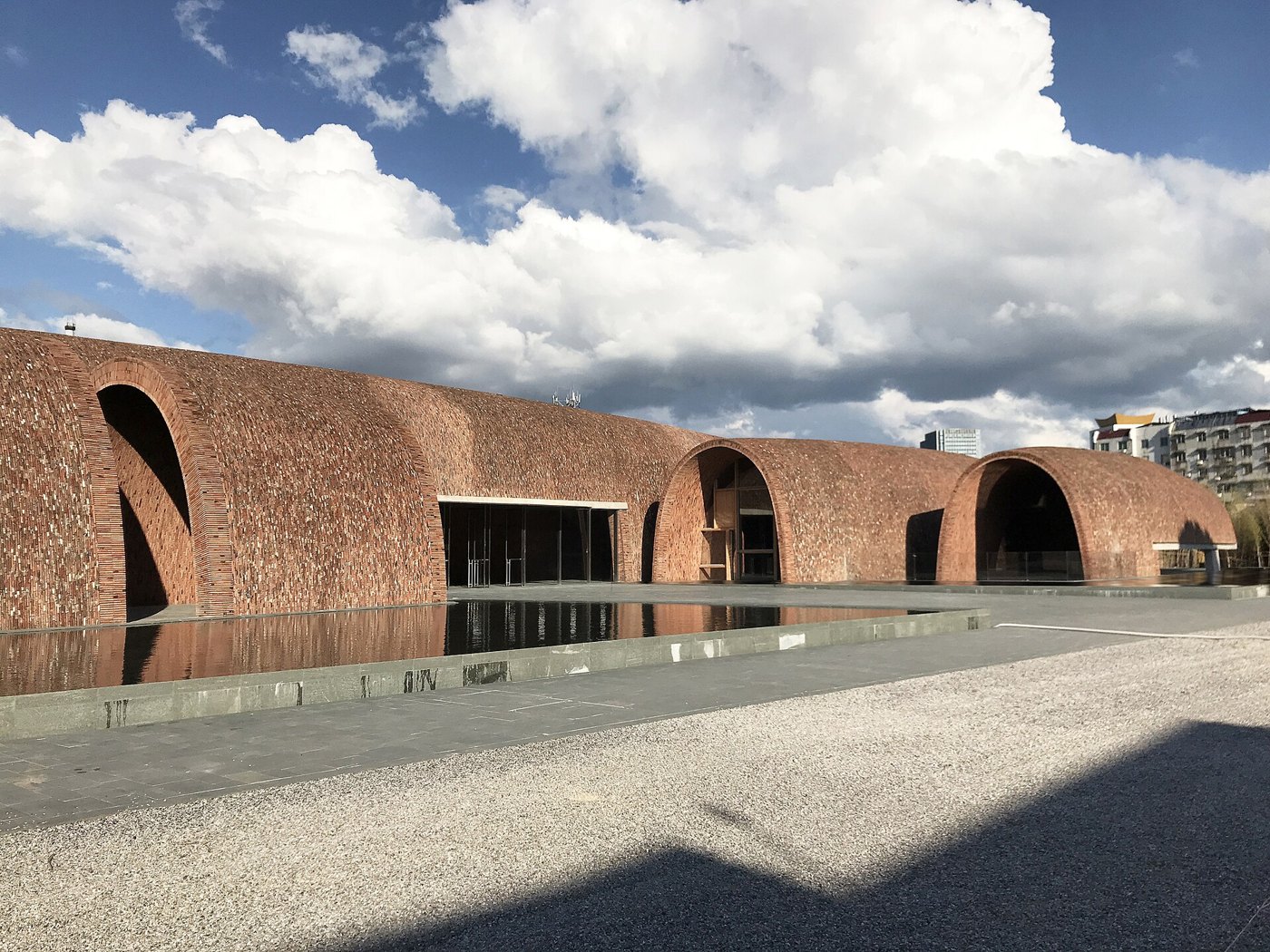
Day 1: learn the vocabulary before shopping
Start with the China Ceramics Museum. Make a small list of things you can recognise: a foot ring, a glaze boundary, a repeated painted motif and a repair. Pick two objects and compare their silhouettes rather than trying to memorise dynasties. Use the afternoon for the old city and the Imperial Kiln Museum area. Municipal information identifies the kiln site, museum and surrounding lanes as parts of Taoyangli. Treat them as a layered district; museum admission and district entry may have different arrangements. Before buying anything, ask which stages were made by the seller and which were outsourced.
Day 2: old factories, present-day labour
Give Taoxichuan a separate day instead of making it a late-night shopping add-on. The municipal route places it alongside the historic kiln and contemporary ceramics areas. Look for evidence of the industrial building behind the new displays: repeated bays, circulation, material and scale. A market is a chance to compare contemporary work, not proof that every object is handmade locally. Ask about the clay body, firing and maker attribution. Do not assume a market happens every evening; confirm the current programme before making it the centre of the day.
Day 3: one arranged studio in Sanbao
Choose Sanbao for a slower final day. Book one studio session or conversation in advance and leave time for the surrounding area. A working studio is not automatically a walk-in attraction. Ask whether English explanation is available, how long firing takes and whether shipping after departure is offered. A vessel thrown in a short workshop will not normally be ready to pack immediately. If a booking cannot be confirmed, make the day a neighbourhood visit and keep the craft lesson as optional. Avoid promising yourself access to a working kiln.
The practical value: addresses, timing and fragile purchases
Use a city base and confirm the road journey between each cluster with your accommodation; Sanbao is not part of the central museum walk. Keep the museum day flexible around closure and passport-booking rules. For a purchase, record the maker, price, dimensions, packaging and shipping terms before paying. A shop story is not an antiquity certificate. This route suits visitors interested in material and labour, including those who never want to buy a pot. Pair it with the arrival toolkit for practical preparation; it is not covered by that PDF as a destination.
Before you go
Read / UNESCO heritage introduction ↗
External host; viewing availability, subtitles and access can vary. This is cultural background, not a live event schedule.
Source desk
- Jingdezhen municipal cultural routes · Chinese ↗
- UNESCO · Jingdezhen industrial heritage ↗
- Municipal introduction to Taoyangli · Chinese ↗
Sources consulted 12 October 2026. Historical introductions and older reporting are labelled above. The sequence, pacing and viewing exercises are our editorial proposals; studio access, performances, transport, prices and opening require date-specific confirmation. This is researched writing, not a claim of a firsthand visit.